• Home
  • About Us
    • Welcome
    • An Egremont Education
    • Administration
    • Board of Directors
    • Meet Our Egremont Team
    • Support Egremont
    • FAQ
    • Contact
    • Career Opportunities
  • Calendar & News
  • Admissions
    • Inquiries & Appointments
    • Overview
    • Tuition & Fees
    • Enrollment
  • Student Life
    • General Information
    • Student Council
    • Athletics
    • Lunch Program
    • Extended Day Care
    • Summer Camp
    • Giving Back to Our Community
  • Classes
    • Preschool
    • Early-Kindergarten
    • TK/Kindergarten
    • First Grade
    • Second Grade
    • Third Grade
    • Fourth Grade
    • Fifth Grade
    • Technology
    • Art
    • Music
    • Physical Education
  • Alumni & Friends
  • Community Resources
Egremont School
  • Home
  • About Us
    • Welcome
    • An Egremont Education
    • Administration
    • Board of Directors
    • Meet Our Egremont Team
    • Support Egremont
    • FAQ
    • Contact
    • Career Opportunities
  • Calendar & News
  • Admissions
    • Inquiries & Appointments
    • Overview
    • Tuition & Fees
    • Enrollment
  • Student Life
    • General Information
    • Student Council
    • Athletics
    • Lunch Program
    • Extended Day Care
    • Summer Camp
    • Giving Back to Our Community
  • Classes
    • Preschool
    • Early-Kindergarten
    • TK/Kindergarten
    • First Grade
    • Second Grade
    • Third Grade
    • Fourth Grade
    • Fifth Grade
    • Technology
    • Art
    • Music
    • Physical Education
  • Alumni & Friends
  • Community Resources

Community Resources

Health Information & Safety Tips


COVID-19
Picture
Picture
Picture
Picture

SOCIAL AND EMOTIONAL LEARNING RESOURCES

Our students need the guidance and safety of adults in their home and in their schools to be able to navigate their own emotions and trauma in a healthy, safe, and productive way.

For All Ages
  • How to Talk to Kids About What's Happening in Israel Right Now: This article from Kveller shares balanced scripts parents and family members can use with their children based on their age range. 

  • How to Talk to Kids About Violence, Crime, and War: Common Sense Media gathers tips and conversation starters to help you talk to kids of different ages about the toughest topics.

  • Talking to Your Kids About War: VeryWell Family explores ways families can speak with young people about war, including tips on sharing information and restricting media coverage.

  • How to Talk to Your Children About Conflict and War: UNICEF’s guide offers eight tips to support and comfort your children.

  • Handle with Care: Supporting Young People During Crises: Learning for Justice offers recommendations and resources to help guide conversations with young people and to manage potential subsequent actions and reactions.


For Elementary School Students
Resilience in a time of war: Tips for parents and teachers of elementary school children: This article from the American Psychological Association can help adults guide their young children beyond fear and to resilience. 

Helpful Hints for Parents

 5 Ways to Fix Disrespectful Behavior
  
          Child Behavior Problems
Abusive & Violent Behavior          
Aggression         
 Anger          
Annoying & Obnoxious Behavior          
Arguing & Fighting          
Backtalk       
  Bullying     
    Defiant Children     
    Disrespect
Entitlement       
  Laziness & Motivation       
  Lying
Manipulation     
​    Outbursts & Temper Tantrums
Power Struggles       
  School & Homework         
Self-esteem         
 Sibling Rivalry         
 Stealing         
 Technology & Kids
Yelling & Swearing

Conditions / Diagnoses
ADHD / ADD       
  Anxiety & Depression      
​Oppositional Defiant Disorder

Non-traditional Families
Blended / Step Families
Divorced Parents
Other Non-traditional Families

Parenting Strategies & Techniques
Accountability & Responsibility
Calm Parenting
Communication
Consequences & Rewards
Effective Parenting
Family Rules & Limit Setting
Holidays & Special Occasions
Parental Authority & Control
Parental Guilt
Parenting Styles & Roles
Routine & Structure

​Covid-19 Parent Checklist

​Going back to school this year will require schools and families to work together even more than before. Egremont made changes to our policies and operations with the goal of supporting learning while trying to limit the chance of exposure to the COVID-19 virus.

Teachers and staff will teach and encourage preventive behaviors at school. Likewise, it will be important for families to emphasize and model healthy behaviors at home. Remember that the situations that you and your family expose yourselves to can have repercussions by bringing a COVID-19 exposure to your child’s classroom. 
​
Even if your child attends school in-person, it is important to be prepared for the possibility of going back to virtual learning if his/her class or the school closes because of a COVID-19 exposure/outbreaks. If your child becomes exposed to COVID-19, he or she may need to stay home. Please, talk to your children about the changes to expect this school year.

Planning for In-Person Classes Actions to take and points to consider:

Before school COVID-19 symptom check:
  • Check in with your child each morning for signs of illness. If your child has a temperature of 100.0 degrees or higher, they cannot go to school.
  • Make sure your child does not have a sore throat or other signs of illness, like a cough, diarrhea, severe headache, vomiting, body aches, fatigue, new loss of taste or smell, congestion, or runny nose.
  • If your child has had close contact to a COVID-19 case, safety precautions regarding quarantine will be followed. Follow Isolation or Quarantine Protocols on what to do when someone has a known exposure and call your doctor. Please inform the school so we can verify if there was any exposure at school.
  • Identify your school’s person(s) to contact if your child gets sick.
Name of school point person(s): Ms. Struve
  • Be familiar with local COVID-19 testing sites in the event that you or your child develop symptoms. These may include sites with free testing available.
Local testing options: https://covid19.lacounty.gov/testing or call your doctor for a COVID-19 test.
  • Make sure your child is up-to-date with all recommended vaccines, including flu. All school- aged children should get an influenza flu vaccine every season, with rare exceptions. This is especially important this year because it is not known, what the affect of being sick with COVID-19 at the same time as the flu, will result in more severe illness.
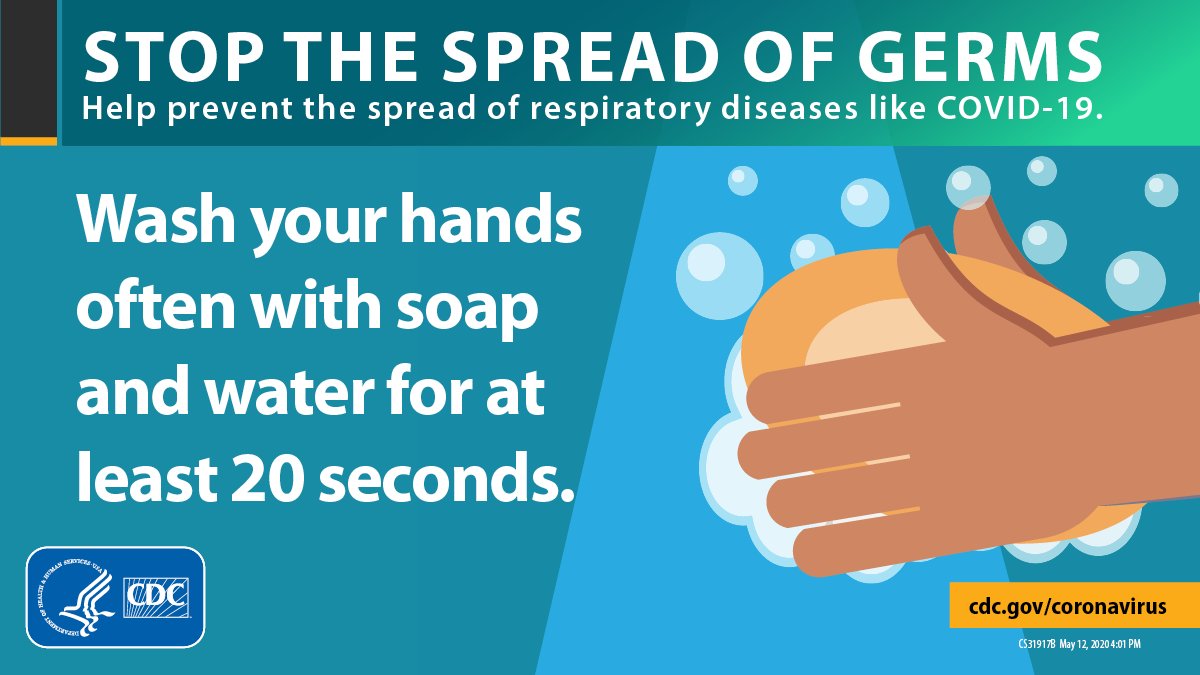
  • Review and practice proper hand washing techniques at home, especially before and after eating, sneezing, coughing, and adjusting a mask or cloth face covering. Make hand washing fun and explain to your child why it’s important.
  • Please pack or order a lunch and have a water bottle that can be refilled at the classroom water dispenser. (All outside water fountains are closed.) No snacks or food may be shared.
  • Develop daily routines before and after school—for example, things to pack for school in the morning (like an additional (back up) mask) and things to do when you return home (like washing hands immediately and washing masks).
  • Talk to your child about precautions to take at school. Children may be advised to:
  • Wash and sanitize their hands more often.
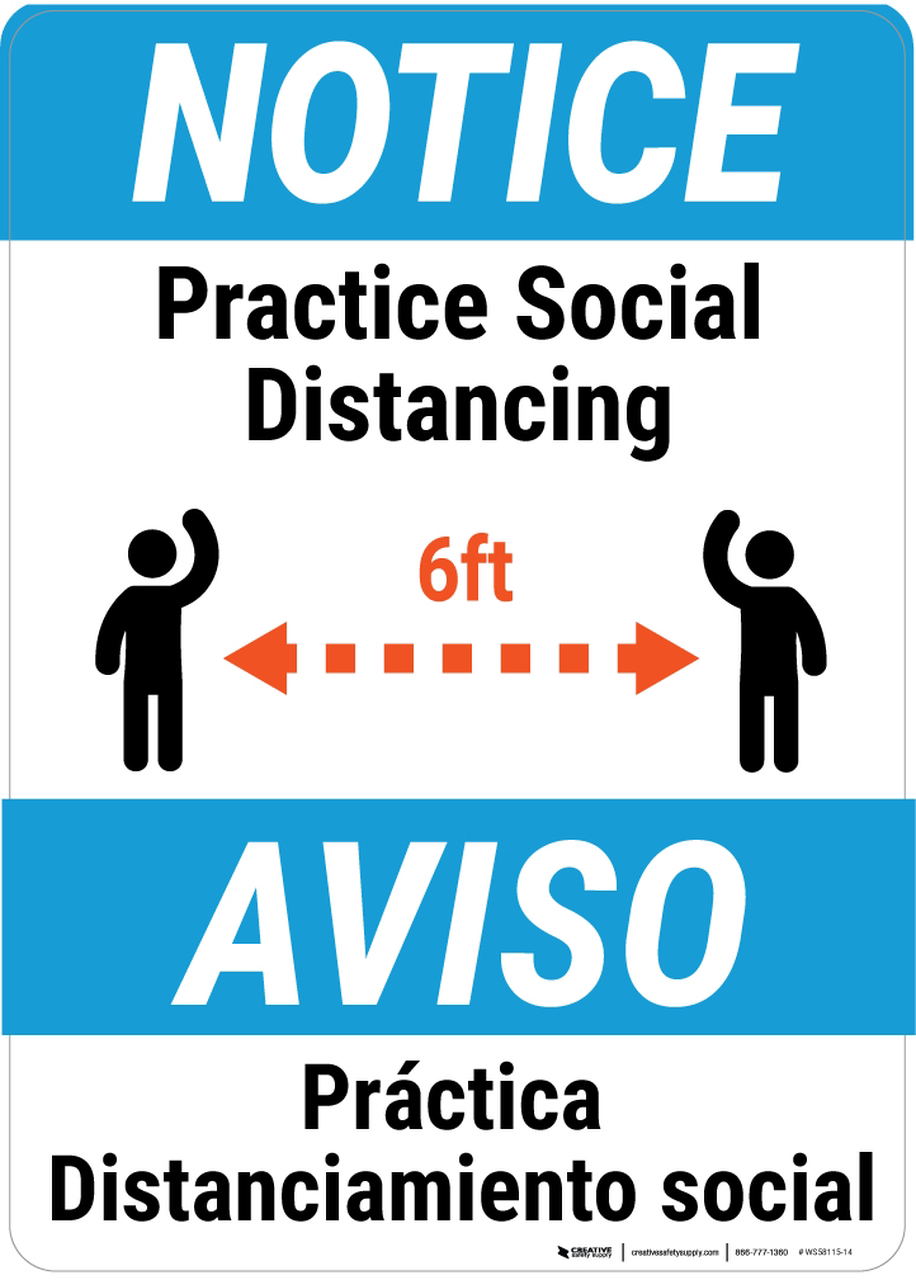
  • Keep physical distance from other students.
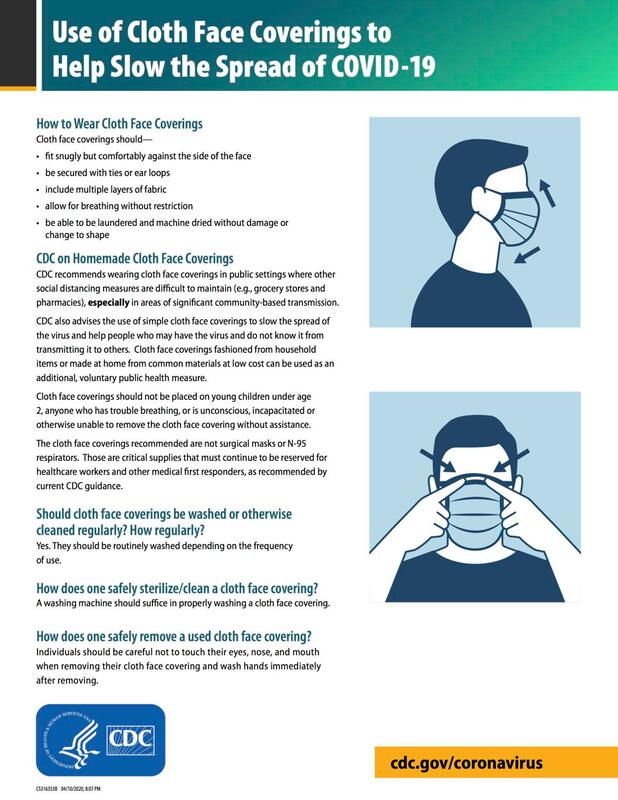
  • Wear a mask - optional... but strongly recommended.
  • Avoid sharing objects with other students, including water bottles, devices, writing instruments, and books.
  • Develop a plan as a family to protect household members who are at increased risk for severe illness.
  • Make sure your personal information is current at school, including emergency contacts and individuals authorized to pick up your child(ren) from school. If that list includes anyone who is at an increased risk for severe illness from COVID-19, consider identifying an alternate person.
  • Be familiar with your school’s plan for how they will communicate with families when a positive case or exposure to someone with COVID-19 is identified: Student privacy is mandatory in medical issues. The school will be communicating via phone calls, emailing and texting (via your Gradelink information) to keep everyone informed.
  • Plan for possible school closures or periods of isolation and quarantine. You may need to consider the feasibility of teleworking, taking leave from work, or identifying someone who can supervise your child in the event of school closures or quarantine.

Covid-19 Resources


Local, State, Federal & Global

County of Los Angeles
LA County Covid-19 Testing Sites
County of Los Angeles Public Health
California Department of Public Health
The White House
World Health Organization

Centers for Disease Control (CDC)

Centers for Disease Control
How to Protect Yourself and Others
Prevent the Spread of Covid-19
ASL Video Series: DIY Mask
How to Wear Your Mask
Considerations for Wearing Masks
How to Wash Your Mask

Home Instructions

Home Quarantine Instructions
Home Isolation Instructions

Additional Resources

Johns Hopkins COVID-19 Tracking
American Red Cross COVID-19 in LA COUNTY

Mindfulness

Click Here

Anti-Bullying Resources

Kids Resources
Prevention at School

General Resources


Mental Health

Los Angeles County Department of Mental Health
National Alliance on Mental Illness

Crisis Hotline

1(800) 273-8255
Suicide Prevention Hotline
1(800) 799-7233
National Domestic Violence Hotlines
Victim Connect Resource Center
National Crisis Text Line
California Suicide & Crisis Hotlines
California Coalition for Youth Crisis Line

Victim Support

Department of Justice Office for Victims of Crime
Victims of Crime Resource Center
Los Angeles County Domestic Violence Council

Homelessness

US Department of Health & Human Services
Los Angeles County Homeless Outreach Portal
National Runway Safeline
Safe Parking LA

Earthquake & Fire Safety

Cal Tech
Earthquake Preparedness
Emergency & Disaster Preparedness

Water Safety

Water Safety for Kids

The Facts About Fentanyl

Greetings Los Angeles County Families, 
Do you want to learn how to address the current youth Fentanyl overdose trends affecting your community? The Los Angeles County Department of Public Health invites you to register for a special training on this topic led by the Substance Abuse Prevention and Control team and hosted by the Public Health Ambassador Program. Register to learn how to support members of your community who may be affected by this dangerous drug. 

Parent Ambassador Fentanyl & Naloxone Training ENG-SPN.pdf 
Fentanyl Facts

The website links provided are independently operated and for informational use only. Egremont School provides links to external websites as a convenience, and a link does not imply endorsement of the external website by Egremont School.

Powered by Create your own unique website with customizable templates.
  • Home
  • About Us
    • Welcome
    • An Egremont Education
    • Administration
    • Board of Directors
    • Meet Our Egremont Team
    • Support Egremont
    • FAQ
    • Contact
    • Career Opportunities
  • Calendar & News
  • Admissions
    • Inquiries & Appointments
    • Overview
    • Tuition & Fees
    • Enrollment
  • Student Life
    • General Information
    • Student Council
    • Athletics
    • Lunch Program
    • Extended Day Care
    • Summer Camp
    • Giving Back to Our Community
  • Classes
    • Preschool
    • Early-Kindergarten
    • TK/Kindergarten
    • First Grade
    • Second Grade
    • Third Grade
    • Fourth Grade
    • Fifth Grade
    • Technology
    • Art
    • Music
    • Physical Education
  • Alumni & Friends
  • Community Resources